
The full field guide
Wildlife in Nyerere National Park
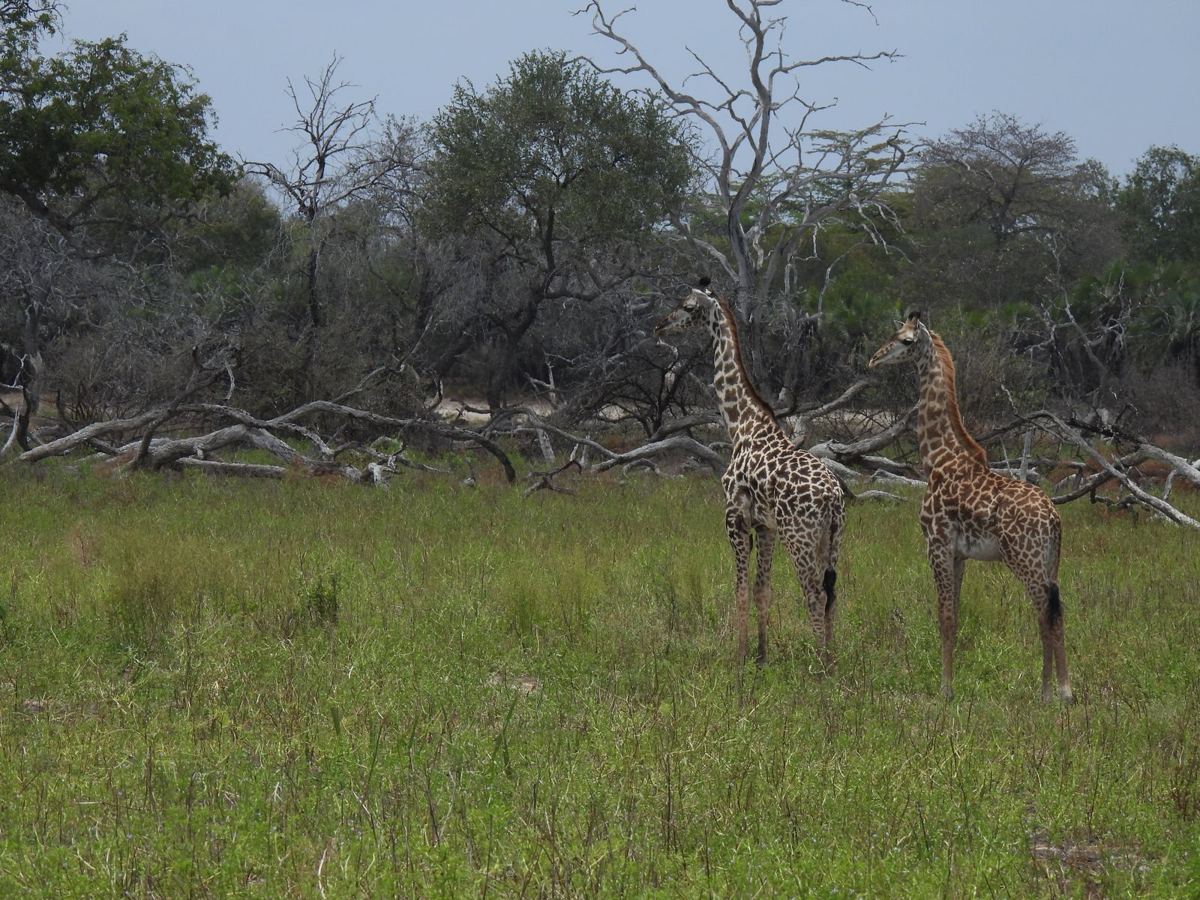
The 2022 census counted 34,950 buffalo, nearly 22,000 hippo and 8,303 elephant inside the park. Giraffe and hippo are effectively guaranteed. Cheetah, despite what the brochures say, are gone.
If you only want the answer
The 2022 census counted 34,950 buffalo, nearly 22,000 hippo and 8,303 elephant. Wild dogs are the park's flagship, the Rufiji's skimmer colonies its bird spectacle, and the boat puts you at eye level with all of it.
Present, absent, and how often
These ratings are unusually well grounded: they come from traveller sighting reports across more than 150 trips, cross-checked against the 2022 government census. Green means you can count on it, terracotta means you need luck, and the grey card is the one the brochures get wrong.
- Giraffe Guaranteed 100% of trips
- Hippo Guaranteed 21,963 in the park
- Buffalo Guaranteed 34,950, the biggest herd count
- Zebra Guaranteed
- Crocodile Guaranteed
- Impala Guaranteed
- Waterbuck Guaranteed
- Baboon Guaranteed
- Elephant Very likely 97%, but skittish
- Wildebeest Very likely no big herds
- Lion Very likely 90%
- Spotted hyaena Very likely
- Eland Very likely
- Warthog Very likely
- Vervet Very likely
- Leopard Good chance 29%, no night drives
- Wild dog Good chance 42%, best June to August
- Hartebeest Good chance Matambwe sector
- Greater kudu Good chance
- Bushbuck Good chance
- Genet Good chance
- Sable antelope Takes luck never easy here
- Cheetah Not here no records since the 1990s
Ratings map to traveller success rates: guaranteed is 98 to 100 per cent, likely 75 to 97, chance 25 to 70, luck documented but unpredictable. Silhouettes from PhyloPic.
Why leopard sightings are lower than they should be
Nyerere has the highest recorded leopard density in miombo anywhere, and yet only 29 per cent of visitors see one. The reason is structural rather than ecological: night drives are not permitted inside the national park, a consequence of the 2019 regazettement. They still run in the adjacent Selous Game Reserve blocks.
If leopard matters to you, this is worth knowing before you book. It also explains why genet, civet and the other nocturnal species are so hard here.
Wild dogs: one of the three great populations
The Selous and Nyerere landscape holds one of the three most significant African wild dog populations left, alongside Ruaha-Katavi and Hwange. Forty-two per cent of visitors see them, which sounds modest until you compare it with anywhere outside those three landscapes.
June to August is denning season, when packs anchor to a fixed site and hunt out and back twice a day. That is your window.
The elephant story, honestly told
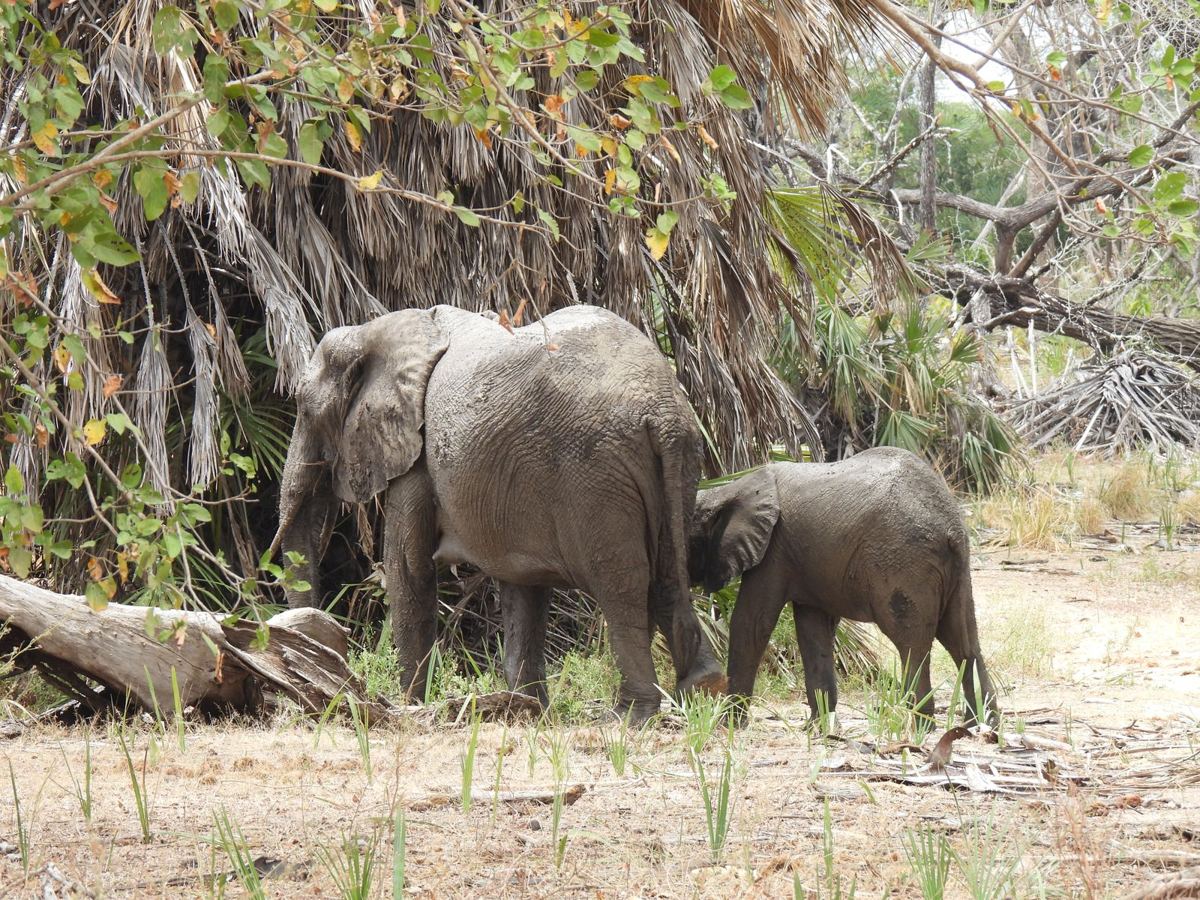
At its 1982 World Heritage inscription the ecosystem held 106,300 elephants. The 2022 census counted 20,006 across the ecosystem and 8,303 inside the park. That collapse was poaching, and it is the reason elephants here are noticeably more skittish than in Ruaha or Hwange.
Numbers are stabilising and sightings are frequent, but you should know what you are looking at: a population in recovery rather than one that was never touched.
Birds: around 440 species, and a correction
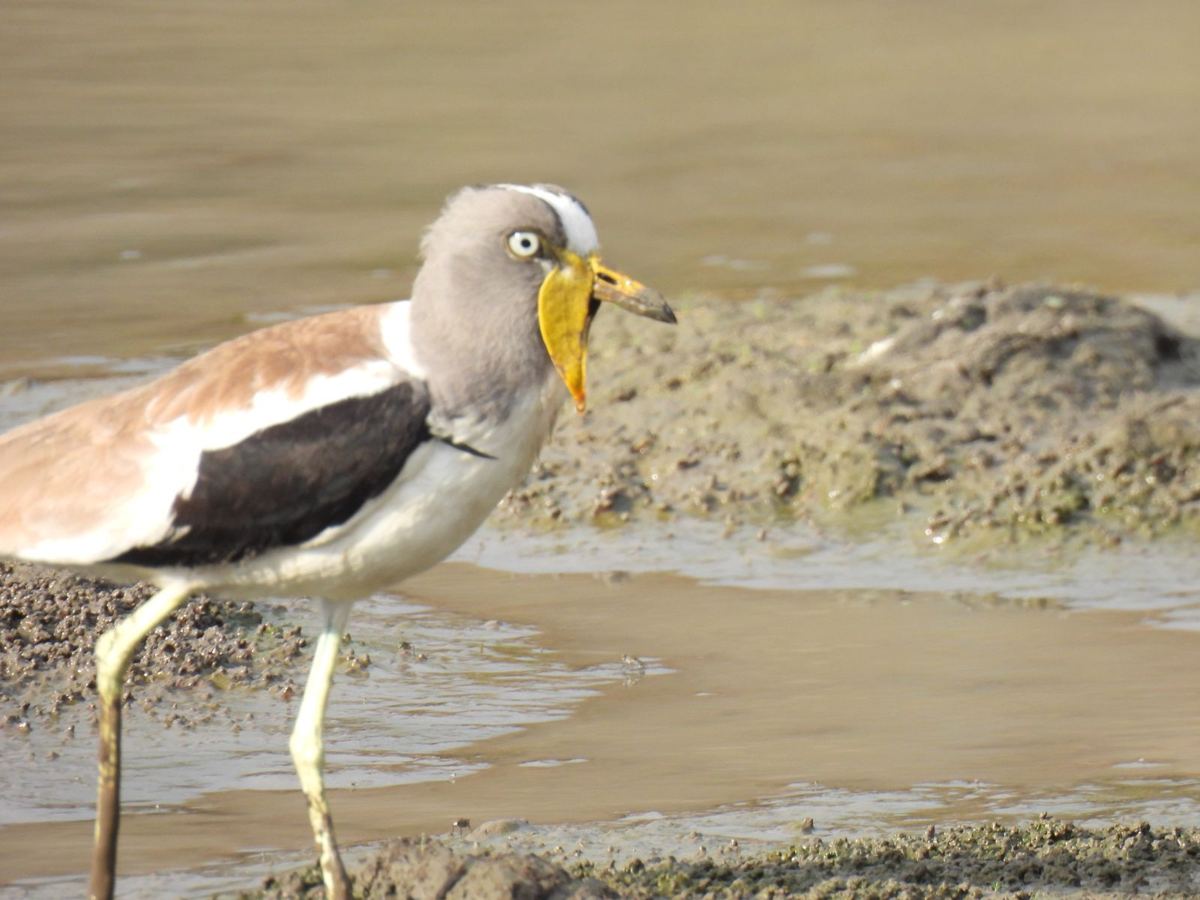
Around 440 species are usually quoted. The only published verified checklist, compiled for the wildlife division in 2003, runs to about 467 and its author notes it is probably still incomplete. UNESCO's inscription document says 350, but that text dates from 1982 and names two forest birds that do not occur here.
One correction worth making: the bee-eater colonies you photograph in the Rufiji banks are white-fronted bee-eaters, not the southern carmine bee-eaters that several major operators claim. Carmines do not form colonies here.
- African skimmer Nests on sandbars that only emerge as the river drops, so June to October is the exact window
- Pel's fishing owl Best odds on the Stiegler's Gorge boat trip from the western camps
- White-fronted bee-eater Hundreds of nest holes at eye level from the boat, resident rather than seasonal
- Palm-nut vulture A near-vegetarian raptor tied to the borassus palms along the river
- Racket-tailed roller The miombo roller, far scarcer than the lilac-breasted, needs drives away from the lakes
Wildlife figures come from the 2022 government census and traveller sighting data rather than from marketing copy. UNESCO's species numbers are a 1982 artefact and should not be used as current.