
About this guide
Who's behind Visit Nyerere?
The park renamed in 2019, described using current rules and current fees rather than the old Selous copy.
Who writes this
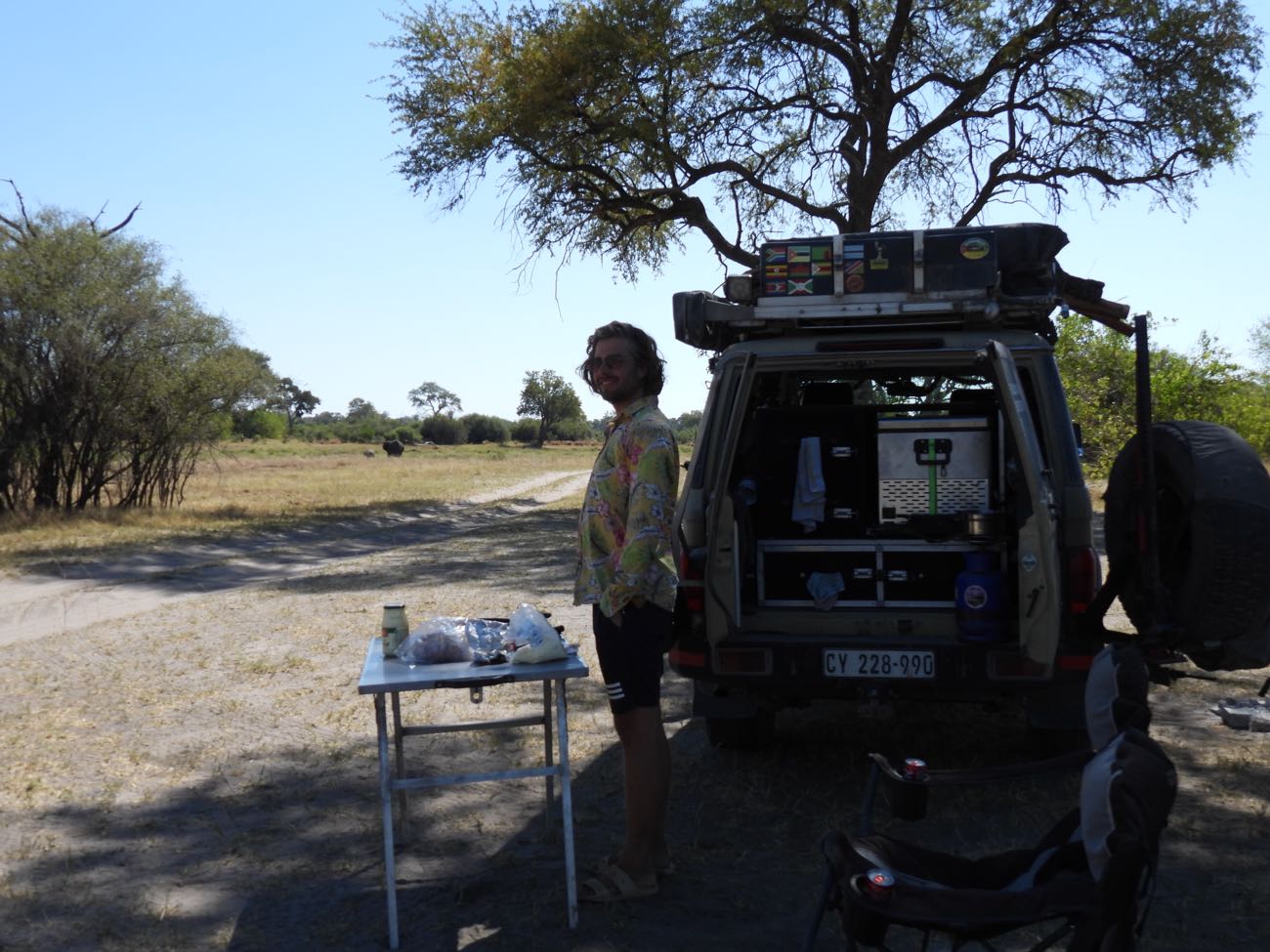
This guide is written by someone who overlanded much of Africa in his own Land Cruiser with a rooftop tent, and for whom the national parks were what stayed. The information about them online was usually missing, wrong or years old: fees from three tariff sheets ago, camps that had closed, roads described by people who had never driven them.
So he started writing it down properly. This guide runs on the park authority's own tariff documents, on climate normals rather than brochure weather, and on what the camps tell us directly, with a date on every claim.
Why this guide exists
Written for travellers, not for booking agents. Nyerere is a park where the official position and the popular description have drifted apart, so we went back to the tariff documents and the census data.
Where the numbers come from
Fees come from the TANAPA tariff document itself. Wildlife numbers come from the 2022 government census rather than from marketing copy, and sighting probabilities from traveller reports across more than 150 trips.
We also correct this park's persistent errors: night drives are no longer permitted inside it, cheetah are absent despite what UNESCO's own paperwork says, the bee-eaters in the riverbanks are white-fronted rather than carmine, and UNESCO's wildlife numbers date from 1982 and should never be quoted as current.
Related guides
Nyerere is one of several Tanzanian parks we document, alongside Ruaha, Katavi, Mahale and Udzungwa, plus a handful elsewhere in southern and eastern Africa. Each site stands alone.